
Fat Pad Syndrome Treatment in Halifax & Elland | Elland Foot Clinic
Fat pad syndrome is a condition affecting the natural cushioning underneath the heel. When the heel fat pad becomes thinner, displaced or less effective at absorbing impact, pain can develop directly beneath the heel during standing and walking. The condition is often mistaken for plantar fasciitis, although the source of pain is different. At Elland Foot Clinic, we provide detailed assessment and tailored treatment plans for heel fat pad pain for patients throughout Elland, Halifax and Calderdale.
Condition
What Is Fat Pad Syndrome?
The heel contains a specialised layer of fatty tissue designed to absorb shock and protect the heel bone from repetitive impact. Fat pad syndrome develops when this cushioning system becomes less effective due to thinning, degeneration or mechanical displacement. As a result, increased pressure is transferred directly onto the heel bone and surrounding tissues.
How Is Fat Pad Syndrome Different From Plantar Fasciitis?
Although both conditions cause heel pain, the location and behaviour of symptoms are usually different. Fat pad syndrome commonly causes:
- Deep aching pain in the centre of the heel
- Pain when walking barefoot on hard floors
- The heel may throb even at rest
- Pain on heel strike
- Increased discomfort after prolonged standing
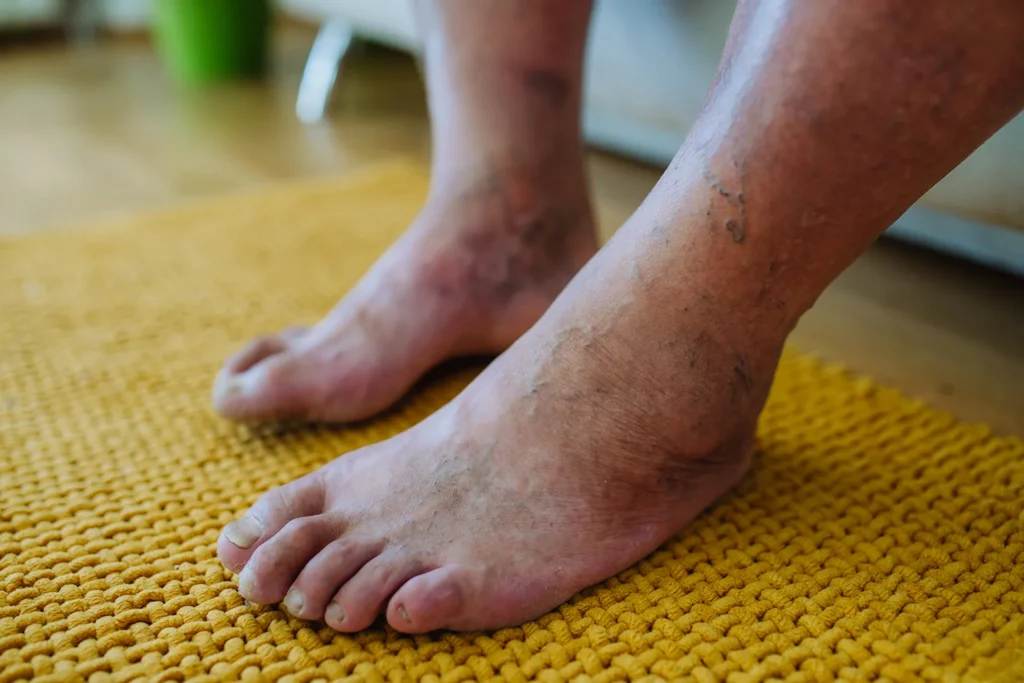
Common Symptoms of Fat Pad Syndrome
- Bruised or aching sensation underneath the heel
- Pain when standing for long periods
- Increased discomfort on hard surfaces
- Heel tenderness during walking
- Pain when walking barefoot
- Reduced tolerance to high impact activities
What Causes Fat Pad Syndrome?
Several factors may contribute to heel fat pad irritation or degeneration, including:
- Age-related thinning of the fat pad
- Repetitive impact loading
- Long periods standing on hard surfaces
- Previous heel trauma
- Reduced shock absorption within footwear
- Increased body weight
- High-impact sports and activity
What Causes Fat Pad Syndrome?
Several factors may contribute to heel fat pad irritation or degeneration, including:
- Age-related thinning of the fat pad
- Repetitive impact loading
- Long periods standing on hard surfaces
- Previous heel trauma
- Reduced shock absorption within footwear
- Increased body weight
- High-impact sports and activity
How Is Fat Pad Syndrome Diagnosed?
Accurate diagnosis is important because fat pad syndrome is commonly confused with other causes of heel pain.
At Elland Foot Clinic, assessment may include:
- Clinical examination of heel pain location
- Assessment of walking mechanics
- Detailed patient history
- Footwear evaluation
- Biomechanical assessment
- Examination of heel cushioning and tissue quality
- Identification of pressure-related pain patterns
Treatment Options for Fat Pad Syndrome
Treatment focuses on reducing pressure beneath the heel and improving shock absorption. Management may include:
- Cushioned heel padding
- Footwear advice
- Orthotics and shock-absorbing insoles
- Activity modification
- Load management strategies
- Taping techniques
- Advice regarding walking surfaces and impact reduction
Why Proper Footwear Matters
Footwear can significantly influence heel loading and impact absorption. Worn or unsupportive shoes may increase stress beneath the heel and aggravate symptoms. Cushioned, supportive footwear is often recommended to help reduce direct pressure on the heel bone.
When Should You See a Podiatrist?
Professional assessment is recommended if:
- Heel pain persists for more than several weeks
- Walking barefoot becomes painful
- Symptoms worsen on hard floors
- Standing at work becomes uncomfortable
- Home treatment has not improved symptoms
- You are unsure whether the pain is plantar fasciitis or another condition
Frequently Asked Questions
Can fat pad syndrome improve?
Many patients improve significantly when pressure beneath the heel is reduced appropriately.
Is fat pad syndrome permanent?
Symptoms can often be managed successfully, although long-term footwear and cushioning strategies may be important.
Why does walking barefoot feel painful?
Barefoot walking reduces external cushioning and increases pressure directly beneath the heel bone.
Can orthotics help fat pad syndrome?
Shock-absorbing orthotics and heel cushioning may help redistribute pressure and improve comfort.
Can standing all day worsen symptoms?
Yes. Prolonged standing on hard surfaces commonly aggravates heel fat pad irritation.