
Peripheral Vascular Disease Assessment & Footcare in Halifax & Elland | Elland Foot Clinic
Peripheral vascular disease (PVD), also known as peripheral arterial disease (PAD), is a condition affecting blood flow to the legs and feet. Reduced circulation may lead to pain, delayed healing and increased risk of foot complications. At Elland Foot Clinic, we provide professional lower limb and diabetic foot assessment for patients with circulation concerns across Elland, Halifax and Calderdale.
Condition
What Is Peripheral Vascular Disease?
Peripheral vascular disease occurs when arteries supplying blood to the legs and feet become narrowed or restricted. Reduced blood flow may limit oxygen and nutrient delivery to the tissues, affecting healing capacity and overall foot health. The condition commonly develops gradually and may worsen over time if circulation continues to deteriorate.
How Does Poor Circulation Affect the Feet?
Healthy circulation is essential for maintaining skin health, tissue repair and wound healing. Reduced blood flow may contribute to:
- Slow healing of cuts or wounds
- Cold feet or toes
- Reduced skin quality
- Increased ulcer risk
- Pain during walking
- Greater susceptibility to infection

Common Symptoms of Peripheral Vascular Disease
- Cramping pain in the legs during walking
- Cold feet or toes
- Pale or discoloured skin
- Delayed healing of wounds
- Reduced hair growth on the legs or feet
- Weak or absent pulses
- Pain at rest in more severe cases
What Causes Peripheral Vascular Disease?
PVD is caused by atherosclerosis, where fatty deposits build up within the arteries. Risk factors may include:
- Smoking
- Diabetes
- High blood pressure
- High cholesterol
- Increasing age
- Obesity
- Reduced physical activity
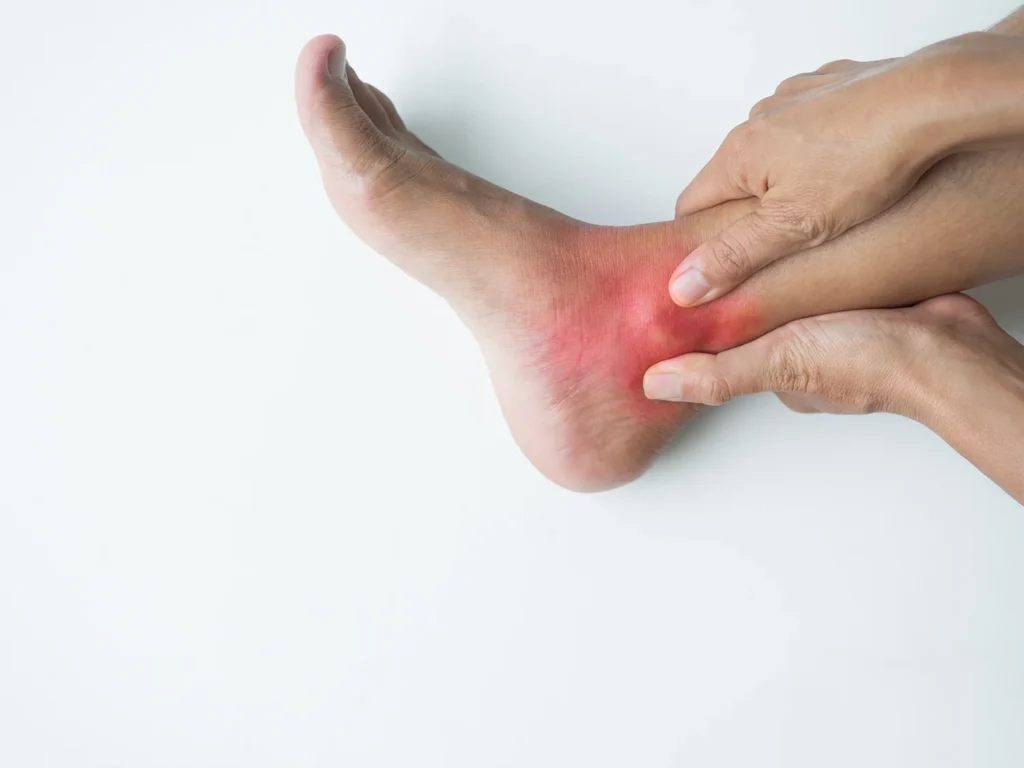
Why Is Peripheral Vascular Disease Important in Podiatry?
Good circulation is essential for maintaining healthy skin and healing tissue damage. Patients with reduced blood flow may have:
- Increased risk of ulcers
- Delayed healing following injury
- Greater risk of infection
- Reduced tissue resilience
How Is Peripheral Vascular Disease Assessed?
At Elland Foot Clinic, vascular assessment focuses on identifying signs of reduced circulation affecting the feet and lower limbs. Assessment may include:
- Pulse examination with handheld doppler
- Skin and tissue assessment
- ABPI/TBPI assessment
- Temperature evaluation
- Assessment of healing capacity
- Identification of ulcer risk factors
- Footwear and pressure assessment
Footcare Advice for Peripheral Vascular Disease
Preventative footcare is important for reducing the risk of skin breakdown and complications. Management may include:
- Routine podiatry care
- Nail and skin management
- Pressure reduction strategies
- Footwear advice
- Monitoring of skin integrity
- Education regarding daily foot checks
Why Foot Checks Are Important
Small injuries or pressure areas may heal more slowly when blood flow is reduced. Patients with circulation problems should monitor for:
- Skin colour changes
- Cuts or wounds
- Pressure areas
- Signs of infection
- Temperature changes
When Should You See a Podiatrist?
Professional assessment is recommended if:
- Feet regularly feel cold
- Wounds are slow to heal
- Calf pain develops during walking (intermittent claudication)
- Skin colour changes occur
- You have diabetes and circulation concerns
- You are unable to manage footcare safely
Frequently Asked Questions
Can poor circulation affect the feet?
Yes. Reduced blood flow may affect healing, skin quality and overall foot health.
Why do my feet feel cold?
Reduced circulation may contribute to cold feet and toes.
Can peripheral vascular disease affect wound healing?
Yes. Poor circulation may delay tissue repair and increase ulcer risk.
Should patients with diabetes have circulation checks?
Yes. Diabetes may increase the risk of vascular complications affecting the feet.
Can podiatry help reduce foot complications?
Preventative podiatry care may help identify problems early and reduce pressure-related risks.