
Sesamoiditis Treatment in Halifax & Elland | Elland Foot Clinic
Sesamoiditis is a painful forefoot condition affecting the small sesamoid bones located beneath the big toe joint. It commonly develops in runners, dancers, active individuals and people who place repetitive stress through the ball of the foot. Pain beneath the first metatarsal head can significantly affect walking, exercise and sporting performance. At Elland Foot Clinic, we provide detailed biomechanical assessment and evidence-based treatment for sesamoiditis and forefoot pain for patients across Elland, Halifax and Calderdale.
Condition
What Is Sesamoiditis?
The sesamoid bones are two small bones embedded within the tendons underneath the big toe joint. Unlike most bones in the body, they are not directly connected to other bones.
Their role is to:
- Absorb pressure during walking and running
- Improve mechanical efficiency of the big toe joint
- Assist push-off during gait
- Protect surrounding tendons from excessive friction
Common Symptoms of Sesamoiditis:
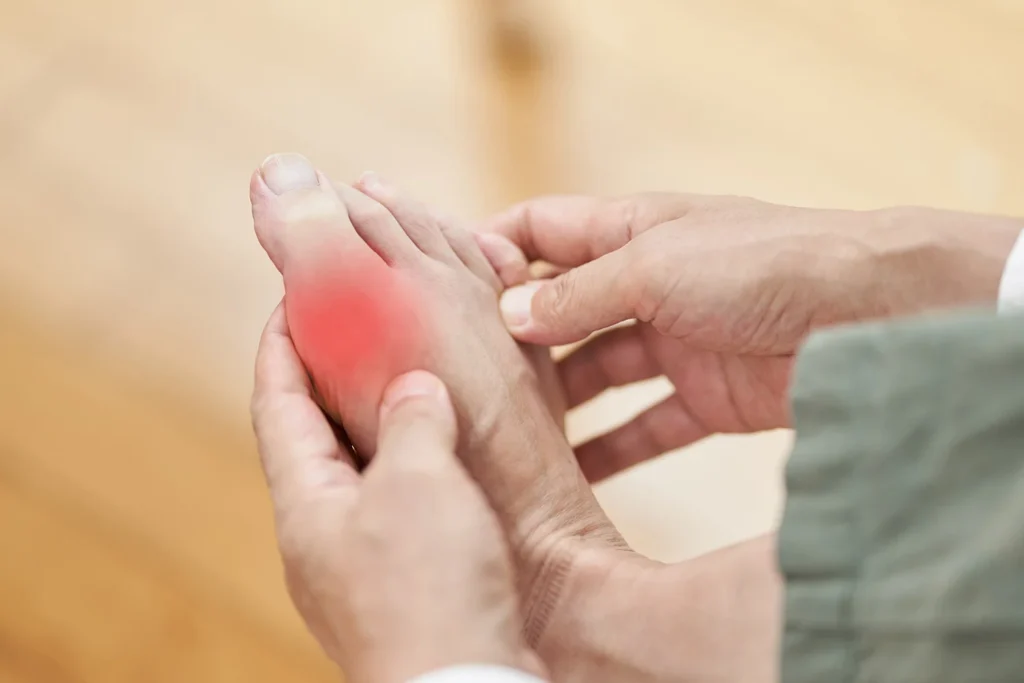
- Pain directly beneath the big toe joint
- Tenderness under the ball of the foot
- Pain during walking or running
- Discomfort when pushing off onto the toes
- Swelling around the first metatarsal region
- Difficulty participating in sport
- Increased pain when barefoot on hard surfaces
- Localised forefoot discomfort after activity
What Causes Sesamoiditis?
Several factors may increase pressure beneath the sesamoid bones, including:
- Running and impact sports
- Dancing and jumping activities
- Sudden increases in training volume
- High-arched foot types
- Tight calf muscles
- Reduced ankle mobility
- Thin-soled footwear
- Excessive forefoot loading patterns
How Is Sesamoiditis Diagnosed?
At Elland Foot Clinic, diagnosis focuses on identifying both the painful structure and the biomechanical factors contributing to overload. Assessment may include:
- Clinical examination of the big toe joint
- Palpation of the sesamoid region
- Gait analysis
- Foot posture assessment
- Footwear evaluation
- Assessment of forefoot loading patterns
- Identification of sporting risk factors
Treatment Options for Sesamoiditis
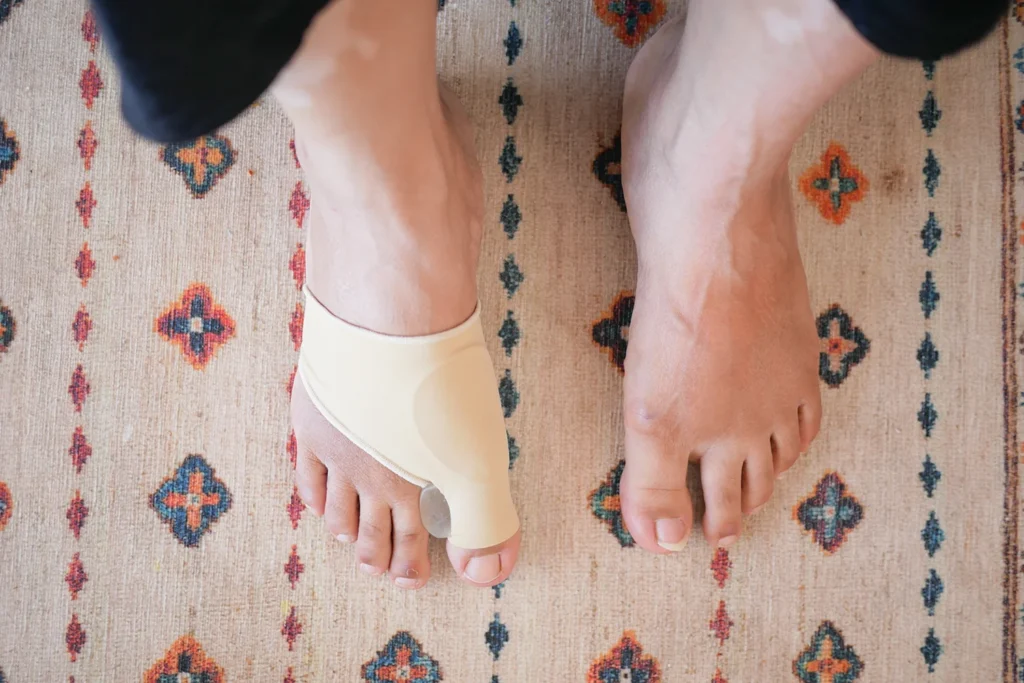
Treatment focuses on reducing pressure beneath the sesamoid bones whilst addressing the underlying mechanical cause. Management may include:
- Activity modification
- Orthotics and custom insoles
- Pressure-relieving padding techniques
- Footwear advice
- Forefoot offloading strategies
- Rehabilitation exercises
- Load management planning
- Return-to-sport guidance
When Should You See a Podiatrist?
Professional assessment is recommended if:
- Pain persists beneath the big toe joint
- Running becomes uncomfortable
- Symptoms limit sporting activity
- Walking becomes painful
- Forefoot pain is worsening
- Home treatment has not helped
Frequently Asked Questions
Can sesamoiditis heal naturally?
Many cases improve when pressure is reduced and activity is modified appropriately.
Can running cause sesamoiditis?
Yes. Running, sprinting and impact sports are common causes of sesamoid overload.
Do orthotics help sesamoiditis?
Orthotics may help redistribute pressure away from the affected area and improve foot mechanics.
Why does it hurt under my big toe?
Pain beneath the big toe may arise from sesamoiditis, sesamoid fracture, arthritis or other forefoot conditions requiring assessment.
Can sesamoiditis become chronic?
Persistent overload may result in long-term symptoms if the underlying biomechanical cause is not addressed.